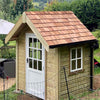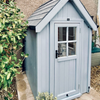

Personalising your garden shed is a splendid way to create a unique and practical outdoor space while also considering the environment. Not only does this add character to your shed, but it also promotes eco-friendly living – something we all need to embrace. Here are ten insightful ways to personalise your garden shed sustainably.
Table of Contents
- Table of Contents
- 1. Choose Earth-Friendly Materials
- 2. Implement a Green Roof
- 3. Opt for Eco-Friendly Paints
- 4. Install Solar Lighting
- 5. Incorporate Recycled Décor
- 6. Enhance Storage with Upcycled Solutions
- 7. Be Mindful of Water Usage
- 8. Integrate Natural Insulation
- 9. Treat Timber Sustainably
- 10. Personalise with Native Plant Gardens
- FAQs
1. Choose Earth-Friendly Materials

When upgrading your shed, consider using sustainable materials. Opt for recycled timber for shelving or storage, which not only helps reduce waste but also adds a rustic charm to your shed interior. For new builds, selecting a shed like The Chalet - Luxury Shed from The Cosy Shed Co., which emphasises durability and sustainable construction, can be a wise choice.
2. Implement a Green Roof

Turning your shed roof into a green roof not only improves insulation but also provides a habitat for wildlife. Plant succulents and low-maintenance grasses to start with. If you're investing in a new shed, a product like the Luxury Roof Finial can enhance its aesthetic appeal without compromising sustainability.
3. Opt for Eco-Friendly Paints

When painting your shed, using paints low in volatile organic compounds (VOCs) is kinder to the planet and your health. Thankfully, companies often offer these options, and you can find various colour options to suit your taste while staying eco-conscious.
4. Install Solar Lighting
Providing your shed with solar-powered lighting is an excellent way to reduce your carbon footprint. There are many stylish solar options available that absorb sunlight during the day and convert it into energy. This saves on electricity and brightens your shed responsibly.
5. Incorporate Recycled Décor
Adding character doesn't have to mean brand-new items. Use recycled furniture and décor to bring personality to your space. Old chairs, shelving units, and even discarded pots can be revamped and used to inject charm and function into your shed.
6. Enhance Storage with Upcycled Solutions

Maximise your shed’s storage capacity with creative, upcycled solutions. Tool Hooks are practical for organising tools without resorting to plastic, while repurposed pallets and crates can be assembled into effective storage units that boast both style and sustainability.
7. Be Mindful of Water Usage

If you use your shed for potting plants, setting up a rainwater collection system can be immensely beneficial. Collecting rainwater from your shed roof, potentially using a system like Guttering - Tool Tidy, is an efficient way to care for your garden without excessive reliance on the mains supply.
8. Integrate Natural Insulation
Keeping your shed cool during summer and warm in the winter without electric options saves energy. Consider natural wool, fibres, or recycled materials as insulation inside your shed for eco-friendly temperature control.
9. Treat Timber Sustainably

To ensure longevity while maintaining an environmentally friendly approach, treat your shed’s timber with eco-friendly oils. Products like the Timber Treatment Oils can protect your shed from the elements without introducing harsh chemicals into the environment.
10. Personalise with Native Plant Gardens

Surround your shed with native plants to enhance biodiversity in your garden. This supports local wildlife and creates a beautiful, natural landscape around your cosy retreat.
By following these eco-friendly tips, you can transform your garden shed into a functional yet environmentally conscious space. Whether you own a shed from The Cosy Shed Co. or are planning to purchase a new one, these ideas can guide you towards a more sustainable lifestyle.
For more brilliant ideas on personalising your shed or to explore lovely shed options like The Classic - Premium Shed, visit The Cosy Shed Co. website here. With a touch of creativity, your shed can reflect your personality while respecting our planet.
FAQs
What are some eco-friendly materials to use for personalising my garden shed?
Using sustainable materials like reclaimed wood, bamboo, or recycled metal can add a unique touch to your shed while being kind to the environment.
How can I incorporate plants into my garden shed's design?
You can add planters or vertical gardens around the shed or use climbing plants to enhance its appearance and create a more natural look.
Are there eco-friendly paint options for my garden shed?
Yes, look for water-based paints or non-toxic, low-VOC options to keep your shed looking fresh while minimising environmental impact.
What decorative items are suitable for an eco-friendly theme?
Consider handmade items, upcycled decorations, or art made from natural materials that will not only enhance your shed's aesthetic but also tell a sustainable story.
Can I repurpose old furniture for my garden shed?
Absolutely! Old furniture can be creatively repurposed as storage or decorative elements, adding character to your shed while reducing waste.
How can I make my garden shed energy-efficient?
Install solar-powered lights, use energy-efficient LED bulbs, and consider incorporating natural ventilation to reduce energy consumption while maintaining a comfortable atmosphere.
What’s an easy way to incorporate eco-friendly technology?
Consider adding a rainwater collection system or a small wind turbine to power lights or tools in your shed, promoting sustainability through technology.
How can I use natural fabrics in my shed decor?
Opt for cushions, curtains, or rugs made from organic cotton, hemp, or linen, which are biodegradable and less harmful to the environment compared to synthetic materials.
Is there a way to make my shed more wildlife-friendly?
Yes, adding features like birdhouses, bee hotels, or providing a small water source can encourage local wildlife to thrive, making your garden shed a part of the natural ecosystem.