
Choosing the right materials for your garden shed is a crucial decision that affects its longevity, maintenance requirements, and overall appeal. Whether you're using the shed for storage, as a workshop, or even a cosy retreat, understanding the pros and cons of different materials is key to making an informed choice. In this guide, we explore some of the best materials for garden sheds and offer tips to help you select the perfect one for your needs.
Table of Contents
- Table of Contents
- Understanding Your Shed Material Options
- Wood Sheds: Timeless and Versatile
- Metal Sheds: Durable and Low-Maintenance
- Plastic Sheds: Lightweight and Weatherproof
- Key Factors to Consider
- Budget
- Maintenance
- Usage
- Common Mistakes to Avoid
- Enhancing Your Shed's Functionality
- Final Thoughts
- FAQs
Understanding Your Shed Material Options
The primary materials for garden sheds include wood, metal, and plastic. Each has its unique benefits, drawbacks, and suitability for various applications.
Wood Sheds: Timeless and Versatile

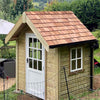
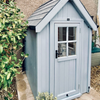
Wooden sheds are a popular choice in the UK due to their natural appearance and versatility. They blend seamlessly with garden landscapes and can be customised to suit various preferences.
- Benefits: Wood offers superior aesthetics and can be painted or stained for a bespoke look. It provides excellent insulation to keep the shed cool in summer and warm in winter.
- Considerations: Wood requires regular maintenance, including treatments with oils or preservatives to protect against rot and insect damage. Timber Treatment Oils from The Cosy Shed Co. are an excellent choice to keep your shed in top condition.
Metal Sheds: Durable and Low-Maintenance

For those seeking a sturdy option with minimal upkeep, metal sheds are worth considering.
- Benefits: Metal sheds are fire-retardant, pest-resistant, and require almost no maintenance. They're a practical choice for storage, especially for valuable tools and equipment.
- Considerations: While robust, metal sheds can be prone to condensation inside, potentially damaging stored items. Proper ventilation and installing a work bench can mitigate this issue by providing organised storage space.
Plastic Sheds: Lightweight and Weatherproof
Plastic sheds offer a modern alternative, often chosen for their ease of assembly and weatherproof characteristics.
- Benefits: Plastic requires practically no maintenance, resists rot and decay, and is waterproof. They're also incredibly easy to assemble.
- Considerations: Despite their durability, plastic sheds may lack the character of wooden counterparts and can be affected by extreme temperature changes, possibly weakening the structure over time.
Key Factors to Consider
When selecting the material for your garden shed, keep these crucial factors in mind:
Budget
Your budget will largely determine which materials are within reach. While wooden sheds might initially seem more costly due to the need for treatments and potential repairs, their longevity and customisability offer value in the long term. Metal sheds are often cost-effective, with plastic positioned as a middle-ground option.
Maintenance
Consider how much time and effort you can invest in maintaining your shed. Wooden structures require treatments, like those available on The Cosy Shed Co.'s treatment oils page, to ensure they remain in good condition. In contrast, metal and plastic sheds need little attention aside from occasional cleaning.
Usage
Your use for the shed will influence which material is best. If aesthetics and adaptability are priorities, such as if you're creating a garden escape or workshop, wood is ideal. For straightforward storage and if security is paramount, metal is your friend. If convenience and a quick setup are your main criteria, consider plastic.
Common Mistakes to Avoid

- Overlooking Permits: Always check with local authorities and regulations as some areas may require permits for larger structures.
- Ignoring Foundation Requirements: A solid, level foundation is vital for shed stability and longevity. Neglecting this can lead to structural issues down the line.
- Failing to Consider Weather: Ensure the material suits your local climate. For instance, avoid shed placement in areas prone to waterlogging but without adequate drainage solutions, like guttering.
Enhancing Your Shed's Functionality

Consider adding features to make your shed more functional or to cater to specific needs. For instance, installing a cat flap with SURE-FLAP microchip recognition could be an innovative way to allow your feline friend access, especially if the shed also serves as a home office or retreat space. Additionally, explore colour options to match your shed to your garden aesthetic tastefully.
Final Thoughts
Choosing the best material for your garden shed involves balancing aesthetics, function, budget, and maintenance. By examining your needs and weighing the pros and cons of each material, you can make a decision that suits your lifestyle and garden setting.
For more advice on selecting the perfect shed for your garden, visit The Cosy Shed Co.. They offer a range of accessories and options to customise your garden haven further.
Before you embark on your shed project, take a moment to list out your primary needs and preferences—this will act as your guide to finding the perfect fit. Happy gardening!
FAQs
What are the most common materials used for garden sheds?
The most common materials for garden sheds include wood, metal, and plastic (typically resin). Each material has unique properties that make it suitable for different needs and preferences.
What are the benefits of wooden garden sheds?
Wooden garden sheds offer a classic aesthetic and good insulation properties. They can be easily customised through painting or staining, allowing personal expression. Properly treated, they can also be very durable and resistant to rot.
How do metal garden sheds compare to wooden sheds in terms of longevity?
Metal garden sheds generally have a longer lifespan than wooden sheds when properly maintained, as they are resistant to pests, decay, and fire. However, they can be more prone to rust if not coated or treated adequately.
Are plastic garden sheds a good option for storage?
Yes, plastic garden sheds are lightweight, resistant to rotting and insect damage, and often require less maintenance than wood or metal. They are ideal for those seeking a low-maintenance option, though they may not have the same aesthetic appeal as wooden sheds.
What is the best material for a garden shed in a very damp climate?
In a damp climate, metal sheds with a protective coating or plastic sheds may be more suitable, as they are resistant to moisture and won't warp or rot like wood. Proper ventilation is also essential to minimise humidity inside the shed.
Can I build a garden shed from recycled materials?
Absolutely! Building a garden shed from recycled materials, such as reclaimed wood or repurposed metal, is an eco-friendly option. This approach not only reduces waste but can also give your shed a unique character.
How do garden shed materials affect insulation?
Insulation varies by material; wooden sheds generally provide better natural insulation compared to metal and plastic, which can conduct heat. Consider adding insulation panels or using insulated materials if climate control is a priority.
Do I need planning permission for a garden shed?
Planning permission often depends on the size and location of your shed. In many cases, small structures may not require permission, but it's best to check local regulations or consult your local council for specifics.
What should I consider when choosing a material for my garden shed?
Consider factors such as climate, maintenance requirements, aesthetics, and intended use of the shed. Additionally, think about your budget, as materials come with varying costs, which can impact your choice.