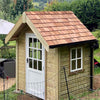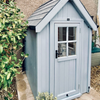

If you're considering adding a shed to your garden, you're probably asking yourself, "Do I need planning permission?" The answer is generally no—most garden sheds in the UK don't require planning permission. However, there are exceptions based on the size, location, and use of the shed. Understanding these rules can help ensure your new addition complies with local regulations.
Table of Contents
- Table of Contents
- The Basic Rules: When You Generally Don’t Need Planning Permission
- Exceptions: When Planning Permission Might Be Required
- Common Mistakes to Avoid
- Considerations for Shed Maintenance and Costs
- Enhance Your Space with Quality Products
- Conclusion and Final Thoughts
- FAQs
The Basic Rules: When You Generally Don’t Need Planning Permission
Under UK planning laws, outbuildings in the garden, like sheds, fall under "Permitted Development," which means they usually don't require planning consent. Here are the key criteria where planning permission isn't typically necessary:
- Height: A shed should not exceed 2.5 metres in height if it's within 2 metres of your property boundary. Otherwise, the maximum height limit is 4 metres for a dual-pitched roof or 3 metres for any other type of roof.
- Location: It should be located at the back of the property. A shed positioned between the house and a public road may need planning permission.
- Size and Use: Your shed must not exceed 50% of the total area around your home. Additionally, it should only be used for domestic purposes.
Exceptions: When Planning Permission Might Be Required
Certain conditions demand planning permission. These exceptions primarily include:
- Listed Buildings and Conservation Areas: If your property is on a listed site or in a conservation area, stricter rules apply.
- Large Structures: A shed exceeding 30 square metres in floor area or used as a residential dwelling usually needs permission.
- Land Usage: Installing a shed on a plot where the land is protected or used for agricultural purposes may also require consent.
For specific guidance, it's always wise to check with your local council.
Common Mistakes to Avoid
When setting out to install a garden shed, be wary of these frequent pitfalls:
- Ignoring Planning Laws: Assume you're exempt without checking specifics with your local authority. This can lead to costly enforcement notices.
- Proximity to Boundary: Placing a shed too close to a neighbour's garden can lead to disputes and may breach planning rules.
- Overlooking Utility and Drainage Services: Ensure the shed's location doesn’t interfere with underground services by checking maps and consulting relevant authorities.
Considerations for Shed Maintenance and Costs

Regular maintenance is crucial for your shed’s longevity, especially in the UK's varied climate. Here are a few considerations:
- Timber Treatment: Protect the wood with quality timber treatment oils. Regular application can condition the timber, shield it from rot and prolong the shed's life.
- Ventilation and Lighting: Consider installing windows for natural light and airflow. Additionally, adding guttering can help manage rainwater effectively.
Enhance Your Space with Quality Products

Investing in quality can transform your garden shed into an asset. The Cosy Shed Co. offers innovative solutions, whether you're looking for storage optimisation or aesthetic enhancements.
- Maximise Storage: Add a storage shelf for organisational convenience.
- Explore Luxury Options: If you're looking for more than a utilitarian shed, consider The Nook - Luxury Shed for enhanced style and functionality.
Conclusion and Final Thoughts
While most garden sheds in the UK don't require planning permission, understanding the regulations and exceptions can save you from future headaches. Always verify with your local council to avoid surprises. And remember, investing in maintenance can ensure your shed remains a delightful feature in your garden.
For more advice on creating a seamless garden escape, visit The Cosy Shed Co.. Enhance your outdoor space smartly and compliantly!
FAQs
Does every garden shed require planning permission in the UK?
Not all garden sheds require planning permission. According to UK regulations, garden sheds under a certain size (typically 2.5 metres in height and less than 2.5 square metres in area) are exempt from needing permission, provided they are positioned at least 2 metres away from the boundary.
What is the maximum height for a garden shed without needing planning permission?
The maximum height for a garden shed without requiring planning permission is usually 2.5 metres if located within two metres of the property boundary, and 4 metres for structures with a pitched roof, as long as they are situated away from boundaries.
Do I need planning permission if I live in a conservation area or national park?
Yes, if you live in a conservation area or a national park, additional restrictions may apply, and it’s advisable to consult your local authority. In these areas, specific guidelines often require planning permission even for structures that would typically not need it.
What happens if I build a garden shed without planning permission?
If you build a garden shed without the necessary planning permission, you may be required to remove it or modify it to comply with regulations. Local authorities have powers to enforce compliance, which could result in fines or further action.
Are there any conditions that could affect my need for planning permission?
Yes, conditions such as the shed's size, height, proximity to boundaries, and whether your property is part of a listed building or in a designated area can all affect whether you need planning permission.
Can I have a garden shed that is larger than the permitted limits?
Yes, but you will need to apply for planning permission if you wish to build a garden shed that exceeds the size and height restrictions set out in local planning regulations.
Is there a difference between permitted development and planning permission?
Yes, permitted development refers to certain types of development that do not need planning permission, while planning permission is the formal approval required for proposed developments that do not fall within those allowances.
How can I check the specific planning regulations in my area?
To check the specific planning regulations in your area, you should contact your local planning authority. They can provide detailed information on local regulations as well as guidance on any particular considerations for your property.
Do I need planning permission for an electrically wired shed?
While adding electricity to a shed does not typically affect the need for planning permission, you must comply with electrical safety regulations. Ensure that any electrical work is carried out by a qualified electrician and, if appropriate, notify your local authority.