
Fitting electricity into a garden shed can transform it from a simple storage space into a versatile, functional area. Whether you're considering adding lighting to extend your shed's usability or powering tools and equipment, ensuring a safe installation is crucial. Here, we'll explore the key steps and considerations for safely installing electricity in your garden shed.
Table of Contents
- Table of Contents
- Understanding Your Needs and Planning
- Selecting the Right Shed
- Key Considerations for Safety
- Legal Compliance and Professional Installation
- Choosing Suitable Materials
- Installation Process: Step by Step
- Designing the Circuit
- Connecting to the Main Supply
- Consider Lighting and Socket Placement
- Maintenance and Safety Tips
- Regular Inspections
- Protecting Your Shed’s Integrity
- Costs and Budgeting
- Conclusion: Powering Up Safely and Efficiently
- FAQs
Understanding Your Needs and Planning
Before diving into the logistics, assess why you need electricity in your shed. Are you planning to use it as a workshop, home office, or simply for illumination? Your specific needs will dictate the extent of the electrical work required. For example, setting up a workshop will demand a more robust electrical supply compared to a few light fixtures.
Selecting the Right Shed

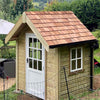
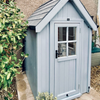
Starting with a suitable shed is vital. The Cosy Shed Co. offers various options like The Tool Tidy - Premium 'Quick Ship' Shed, well-suited for different garden functions. Whatever shed you choose, ensure it accommodates electrical modifications with sturdy construction and enough space.
Key Considerations for Safety
Legal Compliance and Professional Installation
In the UK, electrical work often requires a certified professional under Part P of the Building Regulations. Engaging a qualified electrician helps ensure the work meets safety standards. Professional installation not only protects you but can also be critical for home insurance validity and eventual property resale.
Choosing Suitable Materials
When installing electricity in your garden shed, opt for durable, weather-resistant materials. The wiring must be suitable for outdoor use, such as armoured cable, which protects against physical damage and ground moisture. Waterproof electrical fittings, junction boxes, and fixtures further ensure safety and longevity.
Installation Process: Step by Step
Designing the Circuit
Your electrician will plan your electrical circuit, determining where fixtures and outlets will be installed. Before purchasing materials, such as wiring and outlets, get a detailed plan and calculate the total length of cable required. Placing outlets at convenient heights and locations can ease the use of power tools or chargers for electronics.
Connecting to the Main Supply
The connection from your shed to your home’s main electrical supply is critical. This typically involves burying the armoured cable underground to prevent accidents and weather damage. Ensure there’s a dedicated circuit for the shed in your main fuse box or consumer unit to manage the power load efficiently.
Consider Lighting and Socket Placement
Placement of lighting and sockets is as important as installation. Aim for even light distribution, especially if you'll be working in the shed. For tools, ensure sockets are within easy reach but away from potential water drips or spills.
Maintenance and Safety Tips
Regular Inspections
Once installed, regular maintenance is crucial. Periodically check your electrical fittings for signs of wear or damage. It’s also wise to have the system checked by a professional every few years, especially if you notice flickering lights or tripping breakers.
Protecting Your Shed’s Integrity

To further protect your investment, consider applying Timber Treatment Oils to your shed. This helps safeguard against moisture, which can affect electrical installations over time.
Costs and Budgeting
The cost of installing electricity in a shed can vary widely, based on the extent of the work, materials used, and professional charges. Generally, budgeting a few hundred pounds for a standard installation with basic lighting and outlets is reasonable. However, more complex setups like multiple circuits for power tools may increase costs.
Conclusion: Powering Up Safely and Efficiently

Installing electricity in your garden shed enhances its functionality and value. By planning carefully, choosing high-quality materials, and working with professionals, you can ensure a safe and efficient setup. Remember to regularly maintain your system and apply protective treatments to extend your shed’s longevity.
If you're considering upgrading your garden space, explore The Cosy Shed Co.'s range of high-quality garden sheds, including The Traditional - Premium Shed and The Classic - Luxury Shed, which provide excellent starting points for electrification.
For more garden shed inspiration and tips, visit our website and discover how you can maximise your outdoor space.
FAQs
Can I legally install electricity in my garden shed?
Yes, you can install electricity in your garden shed, but it's essential to comply with local building regulations and safety standards. It's advisable to consult with a qualified electrician to ensure everything is done correctly.
What type of wiring should I use for my garden shed?
Using weather-resistant cable, such as armoured cable (SWA), is recommended for outdoor installations as it offers protection against moisture and damage. Ensure that the wiring is suitable for outdoor use and follows local regulations.
How much power do I need for my garden shed?
The power required depends on the intended use of the shed. For basic lighting and socket outlets, a 16-amp supply is often sufficient. However, if you plan to run power tools or appliances, you may need to consider a higher capacity.
Do I need a fuse box in my garden shed?
It is wise to install a fuse box in your garden shed to protect the circuit and appliances from overload. This allows for safer management of the electrical supply and makes it easier to isolate any issues.
How should I protect electrical circuits from the elements?
Make sure all electrical connections are securely insulated and waterproofed. Use weatherproof junction boxes for connections, and ensure cables are run in a way that minimises exposure to moisture.
Is it safe to use extension leads in my garden shed?
While extension leads can be convenient, they should only be used temporarily and not for permanent installations. It’s safer to install proper socket outlets to reduce the risk of overloading circuits.
Can I use a generator for power in my garden shed?
Yes, you can use a generator, but it's crucial to set it up correctly and ensure it is placed outside to avoid carbon monoxide build-up. Connecting the generator directly to your electrical system should only be done by a qualified electrician.
What safety precautions should I take during installation?
Always turn off the power supply before starting any electrical work. Use insulated tools, wear rubber-soled shoes, and avoid working in wet conditions. If you are unsure, consider hiring a professional for the installation.
How can I prevent electrical hazards in my garden shed?
Regularly inspect your wiring and appliances for any signs of damage or wear. Install RCD (Residual Current Device) protection to cut off the power quickly in case of a fault, and never overload sockets with too many devices.