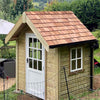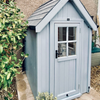

Winter can be a challenging season for your garden structures, and ensuring your shed is adequately waterproofed is essential to protect your tools, equipment, and any stored items. Whether you own a quaint Tool Tidy shed from The Cosy Shed Co. or a grander structure like The Chalet, keeping the winter weather at bay is crucial. Here’s how to ensure your shed remains dry and cosy throughout the colder months.
Table of Contents
- Table of Contents
- Assessing Your Shed's Current Condition
- Inspect the Roof
- Examine Doors and Windows
- Check the Base and Floor
- Waterproofing Your Shed
- Sealing Cracks and Gaps
- Apply Timber Treatment Oils
- Install Guttering
- Consider Roof Replacements or Overhauls
- Regular Maintenance Tips
- Seasonal Checks
- Clearing Debris
- Keeping the Interior Dry
- Choosing the Right Waterproof Shed
- Conclusion
- FAQs
Assessing Your Shed's Current Condition
Before taking any waterproofing steps, it's important to evaluate the current state of your shed. Check the roof for any signs of wear, damage, or potential leaks. Assess the walls and floor for gaps or cracks where water could seep through.
Inspect the Roof
A solid roof is critical in keeping your shed dry. Look out for:
- Cracked or missing shingles: Replace these promptly to prevent leaks.
- Sagging areas: These might indicate structural damage or water pooling.
- Moss or debris: Remove these to avoid extra moisture and weight on the roof.
Examine Doors and Windows
Inspect the edges of doors and windows for gaps, and make sure seals are intact. If not, they might need readjusting or replacing to prevent wind and rain ingress.
Check the Base and Floor
Water often seeps into sheds from the ground up. Make sure the base is raised and not in contact with damp soil. Look for any cracks and fill them with appropriate sealant.
Waterproofing Your Shed
Once you've assessed any damages, it's time to start weatherproofing.
Sealing Cracks and Gaps
Use a waterproof sealant to fill any gaps around windows, doors, or where the walls meet the roof. This prevents water from getting in during heavy rainfall.
- Tip: Silicone-based sealants are versatile and readily available at most hardware stores and online.
Apply Timber Treatment Oils

Preserve your shed’s wood with quality Timber Treatment Oils available from The Cosy Shed Co. These oils penetrate the wood, providing both moisture and UV protection, which ensures the longevity of your shed.
Install Guttering
Consider adding guttering to direct water away from your shed's base. Correct drainage is crucial in preventing standing water, which can lead to rot and interior flooding.
Consider Roof Replacements or Overhauls

If your shed’s roof is in severe disrepair, a replacement may be necessary. Opt for durable materials that withstand harsh British winters. The Cosy Shed Co.'s The Chalet - Luxury Shed is designed with weather resistance in mind, providing a robust option if an upgrade is considered.
Regular Maintenance Tips
Waterproofing isn't a one-time job. Regular maintenance, especially before and during winter, is essential.
Seasonal Checks
Undertake inspections at the beginning and end of winter to spot any new problems. Regular maintenance helps avoid expensive repairs.
Clearing Debris
Keep the roof free from leaves, snow, and other debris. This prevents excess moisture and additional weight on the structure.
Keeping the Interior Dry
Consider installing a dehumidifier to manage moisture levels inside, or a shed heater if electrics allow. Relatively simple steps, such as keeping the shed ventilated, can prevent damp.
Choosing the Right Waterproof Shed

If you're in the market for a new waterproof shed, considering one from The Cosy Shed Co. might be beneficial. Their Tool Tidy - Premium 'Quick Ship' Shed is specially built with solid materials and robust design, ensuring greater resilience against the elements.
Conclusion
Waterproofing your shed for winter not only protects your stored items but also extends the life of the shed itself. By assessing your shed's condition, applying appropriate sealants and treatments, performing regular maintenance, and possibly upgrading to a more durable structure, you’ll be well-prepared to face the harshest of winters.
For further options, visit The Cosy Shed Co. where you can explore a variety of sheds and timber treatments to suit your winter-proofing needs. Taking these steps will ensure your shed stays dry, functional, and comfortable for years to come.
FAQs
How can I check if my shed is already waterproof?
Inspect the exterior for any visible signs of damage such as cracks, peeling paint, or rust. Inside, look for mould, mildew, or damp patches that may indicate leaks. Conduct a simple water test by spraying the shed with a hose to identify any areas where water may penetrate.
What materials do I need for waterproofing my shed?
Essential materials for waterproofing include wood preserver, a quality sealant or waterproof paint, felt for the roof, and weather-stripping for doors and windows. You may also need brushes, a paint roller, and tools for repairs.
Is it necessary to treat the wood before applying waterproofing products?
Yes, treating the wood with a preservative is important to protect against rot and insect damage. It helps to ensure that the waterproofing products adhere properly and provide long-lasting protection.
How often should I waterproof my shed?
It is advisable to check your shed every year and reapply waterproofing treatments as needed, especially after severe weather. Generally, a full waterproofing treatment should be applied every 3 to 5 years.
Can I waterproof a metal shed in the same way as a wooden shed?
While the principles of waterproofing apply, metal sheds require different treatment. Use a rust-inhibiting primer followed by a waterproof paint designed for metal surfaces. Also, ensure that joints and seams are sealed properly to prevent leaks.
What steps should I take to prepare my shed for winter?
Start by clearing out any items that could be damaged by moisture. Next, check for and repair any existing damage, and ensure that all windows and doors seal tightly. Finally, apply waterproof treatments as needed and ensure proper drainage around the shed to divert water away.
Is it necessary to raise my shed off the ground?
Yes, raising your shed on a base or blocks helps prevent water from pooling around the timber, which can lead to rot. Ensure that the base allows for proper airflow underneath, which can further prevent moisture buildup.
What should I do if I find leaks after waterproofing?
If leaks are detected after waterproofing, identify the source and repair any cracks or holes using appropriate sealants. In some cases, you may need to reapply waterproofing products to ensure those areas are adequately protected.
Do I need to waterproof the inside of the shed as well?
While the focus is generally on the exterior, applying a waterproof sealant inside can help protect against humidity and condensation, particularly if you're storing valuable equipment. Ventilation can also aid in reducing moisture levels within the shed.