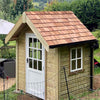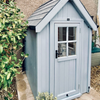

Garden sheds can be a fantastic addition to your outdoor space, offering storage solutions, a workshop, or even a quiet retreat. However, like any good structure, a garden shed needs a strong foundation. Setting up a durable shed base is pivotal to ensuring your shed stands the test of time, especially in the UK's variable climate. Here’s a comprehensive guide to help you lay down the groundwork for your new outdoor haven.
Table of Contents
- Table of Contents
- Why a Good Shed Base is Essential
- Choosing the Right Base
- Types of Shed Bases
- Steps to Set Up Your Shed Base
- Preparing the Site
- Choose the Location:
- Clear the Area:
- Measure the Base:
- Setting the Base
- Key Considerations and Common Mistakes
- Avoiding Common Pitfalls
- Maintenance and Longevity
- Costs and Budgeting
- Conclusion and Next Steps
- FAQs
Why a Good Shed Base is Essential

Before delving into the steps, it's important to understand why a proper shed base matters. A solid foundation provides a level surface, enhances structural integrity, prevents dampness, and contributes to the longevity of the shed. Without a robust base, even high-quality sheds such as The Traditional - Luxury Shed from The Cosy Shed Co. might suffer from warping, moisture damage, and uneven settling.
Choosing the Right Base
Types of Shed Bases
- Concrete Bases: Durable and low maintenance, concrete bases are ideal for heavy-duty sheds. They offer excellent load-bearing capacity but can be more time-consuming and costly to install.
- Paving Slabs: A popular choice for smaller sheds, paving slabs provide good drainage and can be laid directly onto a well-prepared surface.
- Timber Frames: These raised bases allow air circulation under the shed, reducing moisture-related issues. They’re simpler to set up and can be more budget-friendly.
Each of these options has its merits, so consider the weight of your shed, your budget, and the conditions of your garden.
Steps to Set Up Your Shed Base
Preparing the Site
Choose the Location:
- Ensure the area is flat and has proper drainage.
- Avoid low spots where water tends to collect.
Clear the Area:
- Remove any grass, weeds, or debris.
- Level the ground as much as possible using a spade or a garden rake.
Measure the Base:
Make sure it slightly exceeds the dimensions of your shed for added stability.
Setting the Base
For Concrete and Paving Slabs
- Lay Out a Perimeter:
- Use wooden pegs and string to outline the area.
- Dig the Foundation:
- Excavate to a depth of about 75mm to 150mm depending on the soil type.
- Add a Sub-Base:
- Fill with a 50mm layer of hardcore or MOT type 1 aggregate and compact using a heavy-duty tamper.
- Pour Concrete or Lay Slabs:
- For concrete, mix and pour it even to the top of the frame. For slabs, ensure they are flush and level.
For Timber Frame
- Assemble the Frame:
- Ensure the frame is level and square.
- Secure with Stakes:
- Drive stakes into the ground around the perimeter and secure the frame to them for stability.
- Lay a Membrane:
- Install a waterproof membrane to prevent moisture from rising.
Key Considerations and Common Mistakes
Avoiding Common Pitfalls
- Skimping on Groundwork: Poor groundwork can lead to an unlevel base which is detrimental over time.
- Ignoring Moisture Prevention: Waterlogged materials can cause rot; therefore, proper drainage and barriers are crucial.
Maintenance and Longevity

To keep your shed looking pristine, regular maintenance is necessary. Consider using Timber Treatment Oils to protect wood from the elements.
Costs and Budgeting
The cost of setting up a shed base varies. Concrete bases might cost more upfront but last decades, while timber frames are less expensive but may need more frequent replacements. Weighing cost versus durability is essential when planning your investment.
Conclusion and Next Steps

A durable shed base is a worthy investment to ensure your garden shed remains a functional and attractive feature for years. Once your base is set up, you can confidently go ahead and choose a high-quality shed like The Traditional - Premium Shed to match. For more details or to explore our full range of products, visit The Cosy Shed Co.. Happy building!
FAQs
What is the best type of ground for a shed base?
The best type of ground for a shed base is firm and level soil, ideally compacted gravel or concrete. These materials provide a solid foundation that will prevent water pooling and help maintain the shed's structure over time.
How deep should I dig for a shed base?
The depth for a shed base typically ranges from 10 to 15 cm, depending on the type of foundation you choose. This depth allows for a solid base of gravel or concrete while accommodating drainage.
Do I need planning permission for a shed?
In most cases, you won't need planning permission for a standard garden shed as long as it meets specific criteria, such as size and height regulations. However, it’s always wise to check local council rules, as regulations can vary.
How can I ensure proper drainage for my shed base?
To ensure proper drainage, create a slight slope away from the shed on the base. You can also incorporate drainage materials, such as gravel, and consider adding drainage channels if your area is prone to heavy rainfall.
What materials should I use to build the shed base?
Common materials for building a shed base include concrete slabs, treated timber, paving stones, and gravel. Each has its advantages depending on your budget, climate, and the weight of the shed.
How do I keep my shed base level?
To keep your shed base level, use a spirit level or laser level during the construction process. Check frequently as you lay the base material to ensure it remains flat and even throughout.
Can I place my shed directly on the ground?
Placing a shed directly on the ground is not recommended, as this can lead to moisture damage and rot. It’s important to build a proper base to protect the shed and extend its lifespan.
How long does it take to build a shed base?
The time it takes to build a shed base can vary based on the chosen materials and your level of experience. Generally, it can take anywhere from a few hours to a couple of days, allowing ample time for materials to set or settle.
Are there any specific tools I need for building a shed base?
Yes, the tools you'll need can include a shovel, rake, spirit level, measuring tape, and a tamper for compacting the base material. For concrete bases, you may also require a mixer and trowel for smoothing.