
When it comes to maintaining the comfort and usability of your garden shed, understanding shed insulation can make all the difference. A well-insulated shed stays warm during cold UK winters and cool in the summer, making it a useful space year-round. But how exactly do you insulate a shed, and what are the benefits? Let's explore some practical solutions and tips to keep your shed cosy.
Table of Contents
- Table of Contents
- Why Insulate Your Shed?
- Types of Insulation
- Fibreglass Insulation
- Reflective Foil Insulation
- Foam Board Insulation
- Spray Foam Insulation
- Insulating Specific Areas
- Walls
- Roof
- Floors
- Doors and Windows
- Common Mistakes
- Maintenance Considerations
- Choosing the Right Shed
- Conclusion
- FAQs
Why Insulate Your Shed?
Insulating your shed is essential if you plan to use it as a workshop, office, or just a pleasant retreat. It ensures a stable temperature, protects equipment from damp, and helps save energy. Whether you are storing tools or creating a homely garden office, proper insulation transforms a basic shed into a multi-functional space.
Types of Insulation
There are several types of insulation materials available, each with its pros and cons. Here are some of the most common:
Fibreglass Insulation
Fibreglass is a popular choice due to its affordability and effective thermal performance. Available in rolls or batts, it fills spaces between wall studs and roof joists, reducing heat loss. It's crucial to wear appropriate protective gear, as fibreglass can irritate the skin and lungs.
Reflective Foil Insulation
An increasingly popular choice, reflective foil works by reflecting radiant heat. It's lightweight, easy to install, and perfect for sheds with limited space. It’s often used in conjunction with other insulation materials for maximum effect.
Foam Board Insulation
Foam boards are rigid panels that can be cut to size. They offer excellent insulation and moisture resistant properties, making them ideal for floors and walls. However, they can be more expensive compared to other options.
Spray Foam Insulation
While typically more expensive, spray foam insulation provides superior air sealing and thermal insulation. It's perfect for hard-to-reach areas and gives a seamless finish but may require professional installation.
Insulating Specific Areas
Focusing on key areas will ensure maximum efficiency. Below is a guide to insulating different parts of your shed:
Walls
Start with the walls, as they have the most significant surface area. Frame the walls with timber, attach your chosen insulation material, and cover with plywood or plasterboard for a neat finish.
Roof

The roof is the next priority. Insulating it will reduce heat loss and prevent condensation. Consider using reflective foil or adding roofing felt for extra protection against the elements. The Luxury Roof Finial from The Cosy Shed Co. can add an elegant touch while providing additional weatherproofing.
Floors
Cold floors can be uncomfortable, especially during winter. Place foam board insulation beneath whatever flooring you choose. This might involve raising the floor, but it's worth the effort for added comfort.
Doors and Windows
Don’t forget about potential draught sources such as doors and windows. Adding weather stripping or draught excluders can significantly reduce heat loss. For windows, consider double glazing if your budget allows.
Common Mistakes
While insulating a shed is straightforward, there are a few common mistakes to avoid:
- Ignoring Ventilation: Proper insulation should be paired with ventilation to prevent damp and mould. Install vents to allow air circulation.
- Choosing the Wrong Materials: Not all materials suit every shed design. Consider the usability of your shed and choose appropriate insulation.
- Underestimating Structural Changes: Insulation might require adjustments to the structure of your shed. Ensure your shed can handle any changes before starting.
Maintenance Considerations

Regular maintenance ensures your shed stays insulated and functional:
- Check for Moisture: Dampness can ruin insulation, so regularly check for leaks or moisture build-up.
- Inspect Insulation: Periodically inspect the insulation for signs of wear and tear, replacing or repairing as necessary.
- Treat Wood with Care: Use Timber Treatment Oils to protect wood against rot and insect damage.
Choosing the Right Shed

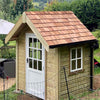
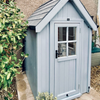
At The Cosy Shed Co., we offer a range of sheds where insulation can be effectively applied. Consider our Traditional - Luxury Shed for a versatile and elegant option. Alternatively, our Classic - Premium Shed offers robust design and high-quality materials perfect for insulation.
Conclusion
Properly insulating your shed can greatly enhance its comfort, utility, and longevity. By understanding the various materials, areas to focus on, and common pitfalls, you can create a warm and inviting space no matter the season. If you're interested in exploring our shed offerings or learning more about transforming your garden space, visit The Cosy Shed Co.. Dive into the possibilities and make the most of your garden building.
FAQs
What is shed insulation and why is it important?
Shed insulation is a material used to reduce heat loss and improve temperature regulation within a shed. It's important because it helps to keep the shed warm during colder months and cool in the summer, making it a more comfortable space for storage, hobbies, or work throughout the year.
What types of materials can be used for insulating a shed?
Common materials for shed insulation include fibreglass, foam boards, and reflective foil. Each type offers different benefits, such as ease of installation, cost-effectiveness, and efficiency in maintaining temperature.
Is it necessary to insulate a shed that is not heated?
Even if a shed is not heated, insulation can still be beneficial. It helps to protect stored items from temperature fluctuations and moisture, improving durability and preventing damage, especially to wooden structures or sensitive equipment.
How do I determine the best insulation thickness for my shed?
The best insulation thickness depends on your local climate and how you plan to use the shed. Generally, a thickness of 50mm to 100mm provides a good balance between performance and cost. It's advisable to consult with insulation guidelines specific to your region for optimal results.
Can I insulate a shed myself, or do I need a professional?
Many people choose to insulate their sheds as a DIY project, especially with readily available materials and guidelines. However, if you're uncomfortable with the installation process or working with certain materials, hiring a professional can ensure a proper and efficient setup.
What are the benefits of insulating my shed?
Insulating your shed can make it a more usable space by maintaining comfortable temperatures year-round. It can also lead to energy savings if you use electrical heating or cooling methods and can help prevent condensation, which can lead to mould and rot.
Does shed insulation help with soundproofing?
Yes, insulation can help reduce noise levels within the shed. While it is not specifically designed for soundproofing, effective insulation can dampen noise from the outside, making the shed a quieter and more peaceful environment.
Do I need to insulate the floor of my shed?
Insulating the floor can be beneficial, especially if you plan to spend a lot of time in the shed or if you are storing temperature-sensitive items. It prevents cold from seeping up through the ground and helps maintain a more consistent temperature inside.
How can I ensure proper ventilation in an insulated shed?
To ensure proper ventilation, consider installing vents or using a combination of passive and active ventilation systems. Incorporating airflow strategies will help prevent moisture buildup and keep the air inside fresh while maintaining the benefits of insulation.